Understanding Cornea and Ocular Surface Diseases
The cornea is a vital part of our eye's anatomy, serving as the clear front layer that covers the iris and pupil. It plays an essential role in vision by refracting light and protecting the inner structures of the eye. Corneal health is crucial for maintaining good eyesight, as any disease or damage to this transparent tissue can lead to significant vision impairment. In this article, we will explore various corneal and ocular surface diseases, the advanced care provided at the Cleveland Clinic Abu Dhabi cornea clinic, and the latest trends and treatments in eye health for 2026.
What is the Cornea and Its Functions?
The cornea is composed of five layers: the epithelium, Bowman's layer, stroma, Descemet's membrane, and endothelium. Each layer serves a specific function, from protecting the eye against dust and microorganisms (epithelium) to maintaining corneal hydration and transparency (endothelium). The cornea is also responsible for approximately 65-75% of the eye's total focusing power, making it a critical component of the optical system.
Common Ocular Surface Diseases Explained
Several ocular surface diseases can affect the cornea, including:
- Keratoconus: A progressive thinning of the cornea, leading to distorted vision.
- Dry Eye Syndrome: Insufficient tear production or poor-quality tears causing discomfort and visual disturbances.
- Pterygium: A growth of tissue on the conjunctiva that can extend onto the cornea.
- Corneal Dystrophies: A group of genetic disorders affecting the cornea's transparency and structure.
- Corneal Abrasions: Scratches on the corneal surface that can lead to pain and sensitivity to light.
Understanding Risk Factors for Corneal Diseases
Various risk factors can contribute to the development of corneal diseases. These include genetic predisposition, environmental factors (such as UV exposure), prolonged contact lens wear, and underlying health conditions like diabetes. Understanding these risks is essential for prevention and early detection, promoting better management of eye health.
Cleveland Clinic Abu Dhabi Cornea Clinic Overview
The Cleveland Clinic Abu Dhabi Cornea Clinic is a premier facility dedicated to the diagnosis and treatment of corneal and ocular surface diseases. With state-of-the-art technology and a highly experienced team, the clinic focuses on providing personalized patient care, ensuring that each individual receives tailored treatment. The clinic's commitment to excellence and innovation sets it apart as a leader in ocular health.
Advanced Technologies at the Cleveland Clinic
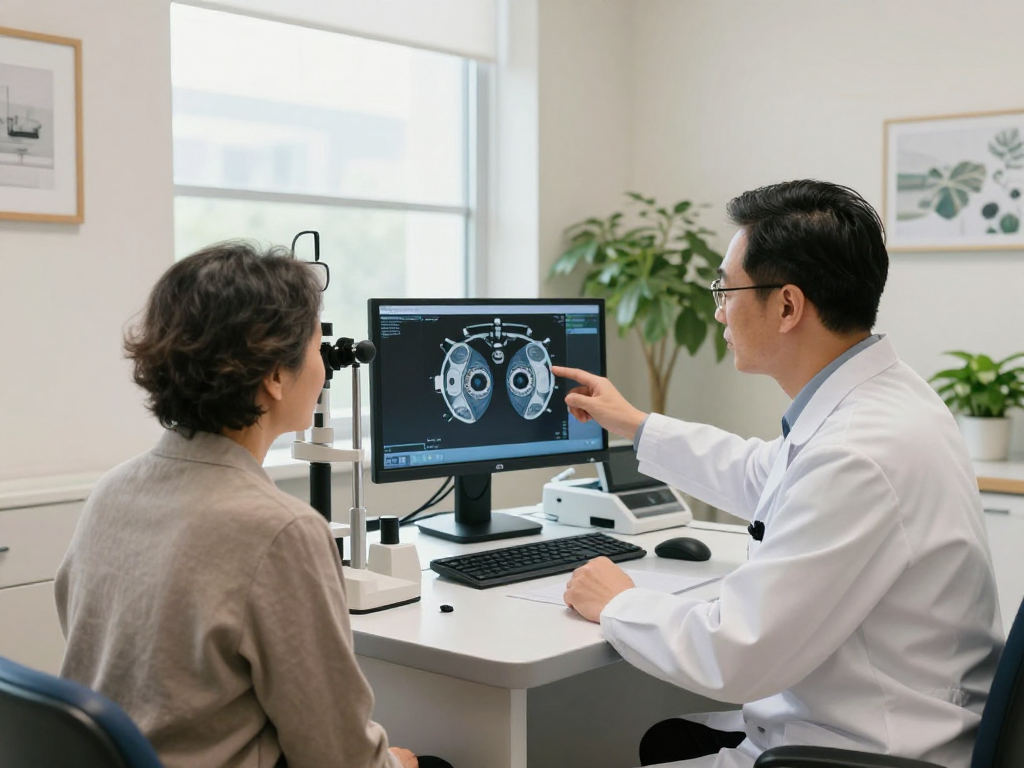
This clinic utilizes cutting-edge diagnostic tools and treatment modalities, including advanced imaging technologies like Optical Coherence Tomography (OCT) and Corneal Topography. These technologies allow for precise mapping of the cornea, enabling accurate diagnosis and effective treatment plans for various corneal conditions.
Meet Our Expert Team: Qualifications and Experience
The Cleveland Clinic Abu Dhabi boasts a team of board-certified ophthalmologists and cornea specialists with extensive training and experience in managing ocular surface diseases. Their dedication to continuing education and research ensures that they stay at the forefront of advancements in eye care, providing patients with the best possible outcomes.
Patient-Centered Approach to Eye Care
Patient care at the Cleveland Clinic focuses on establishing strong relationships between patients and their healthcare providers. The clinic emphasizes communication, ensuring that patients understand their conditions and treatment options. This collaborative approach fosters a supportive environment that enhances the overall patient experience.
Diagnosis and Treatment Options Available
At the Cleveland Clinic Abu Dhabi, a comprehensive range of diagnostic and therapeutic options is available to address corneal diseases effectively. Early diagnosis is key to preventing complications and preserving vision.
Comprehensive Eye Exams and Diagnostics
Patients start their journey with a thorough eye examination that assesses visual acuity and evaluates the health of the cornea and other ocular structures. Diagnostic tools such as slit-lamp examinations, corneal mapping, and tear film analysis are utilized to gather detailed insights into the patient's eye health.
Innovative Treatment Modalities for Cornea Diseases
Based on the diagnosis, treatment options may include:
- Medications: Prescriptions for anti-inflammatory drops, lubricating eye drops, or antibiotics to manage infections and inflammation.
- Therapeutic Contact Lenses: Custom lenses designed to protect the corneal surface and improve comfort.
- Corneal Cross-Linking: A procedure that strengthens corneal tissue, often used in cases of keratoconus.
Understanding Surgical Interventions for Eye Health
In more severe cases, surgical options may be required, including:
- Corneal Transplantation: Replacing a damaged cornea with healthy donor tissue.
- Pterygium Surgery: Removing abnormal growths from the conjunctiva.
- Laser Refractive Surgery: Procedures like LASIK to correct refractive errors and reduce dependence on glasses or contact lenses.
Patient Experience and Care Pathway
The Cleveland Clinic ensures a seamless patient experience from the moment an appointment is made until after treatment completion. Understanding this pathway can help alleviate concerns and enhance satisfaction.
What to Expect During Your Visit to the Clinic
Upon arriving, patients are welcomed in a modern, comfortable environment. During the consultation, patients will discuss their symptoms with an ophthalmologist, undergo the necessary examinations, and receive tailored recommendations based on their needs.
Tips for Preparing for Your Appointment
To maximize the efficiency of your visit, consider the following tips:
- Bring a list of medications you are currently taking.
- Note any symptoms you have been experiencing.
- Prepare questions to discuss with your ophthalmologist.
Post-Treatment Care and Follow-Up Procedures
After treatment, the Cleveland Clinic emphasizes follow-up appointments to monitor recovery and ensure optimal healing. Adherence to post-treatment instructions is crucial for achieving the best possible outcomes.
Future Trends in Corneal Treatments and Eye Health
The field of ophthalmology is rapidly evolving, with new technologies and treatments emerging to improve patient care. Keeping an eye on these trends is essential for staying informed about the future of corneal health.
Emerging Technologies in Ocular Care
Innovations such as gene therapy, stem cell treatments, and advanced regenerative medicine techniques hold promise for treating corneal diseases that were previously difficult to manage. Researchers are exploring the potential of 3D bioprinting for creating corneal tissue, which could revolutionize transplantation procedures.
Predictions for Corneal Disease Management in 2026
By 2026, it is expected that treatment protocols will become increasingly personalized, utilizing genetic profiling to guide therapy decisions. Artificial intelligence may play a role in enhancing diagnostic accuracy and treatment planning in ophthalmology.
Research and Innovations at Cleveland Clinic Abu Dhabi
The Cleveland Clinic is committed to research initiatives that advance the understanding and treatment of corneal diseases. Through clinical trials and collaboration with leading experts, the clinic aims to contribute to the development of groundbreaking therapies that improve patient outcomes.
What Are the Most Common Questions About Corneal Health?
Patients often have questions about corneal health, including:
- What are the symptoms of corneal diseases?
- How can I prevent corneal problems?
- What treatment options are available for my specific condition?
How Can Lifestyle Choices Affect Your Eye Health?
Maintaining a healthy lifestyle is crucial for eye health. Proper nutrition, regular exercise, and protecting the eyes from UV rays and digital screens can significantly impact overall eye health and reduce the risk of corneal diseases.
What Are the Signs I Should Visit a Cornea Clinic?
Consider seeking professional care if you experience symptoms such as persistent eye discomfort, changes in vision, or the appearance of unusual growths on the eye's surface. Early intervention is key to managing corneal diseases effectively.
What Should I Know Before Eye Surgery?
Before undergoing eye surgery, it is essential to understand the procedure, the expected outcomes, and any potential risks involved. Discussing these aspects with your healthcare provider will ensure you are well-prepared and informed before making decisions regarding your eye health.
How Is the Cleveland Clinic Different from Other Eye Care Facilities?
The Cleveland Clinic Abu Dhabi distinguishes itself through its commitment to innovative care, comprehensive treatment options, and a focus on patient-centered service. This holistic approach ensures that patients receive the highest standard of care tailored to their individual needs.