
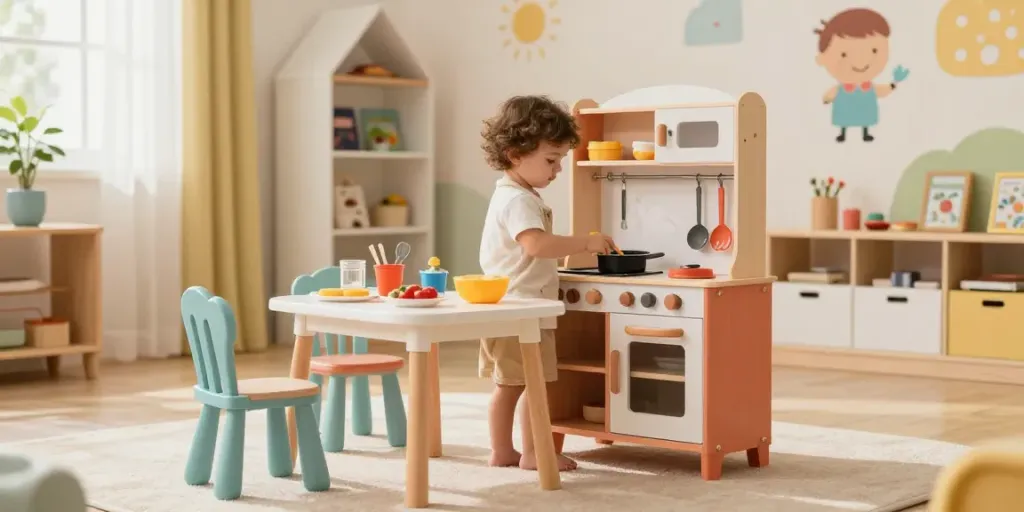
Understanding the Appeal of Kids Kitchen Sets
In today's playtime culture, kids kitchen sets have emerged as one of the most beloved toys among young children. These intricate playsets spark imagination and creativity, offering kids an opportunity to engage in pretend cooking, which mimics the adult world. The charm of a kids kitchen lies not only in its interactive capabilities but also in the way it nurtures essential life skills while providing hours of entertainment. When exploring options, kids kitchen sets stand out with their diverse features and designs that cater to the developmental needs of children.
Why Kids Kitchen Sets Are Essential for Development
Kids kitchen sets play a crucial role in the developmental stages of children. They foster imaginative play, allowing kids to engage in role-playing scenarios that develop their social skills and emotional intelligence. Through these play activities, children learn to express themselves, negotiate roles, and collaborate with peers. Furthermore, cooking playsets often incorporate problem-solving tasks, such as figuring out meal preparations, which enhance cognitive development.
Moreover, these kitchen sets can help introduce basic mathematical concepts, like counting and measuring, through cooking activities. Children also learn the importance of following instructions and completing tasks, which are vital skills for their academic success. As they role-play as chefs, their linguistic skills are further enhanced as they narrate their cooking experiences or engage in pretend conversations with friends.
Exploring Different Types of Kids Kitchen Sets
There is a vast range of kids kitchen sets available on the market, each designed to cater to different interests and age groups. For younger children, smaller, simpler designs with fewer accessories may encourage foundational play without overwhelming them. Conversely, older children might enjoy more elaborate kitchen sets that include a variety of cooking tools, food items, and additional accessories.
Some popular styles include:
- Wooden Play Kitchens: These sets offer durability and a classic aesthetic, often featuring a realistic design that can blend seamlessly into home decor.
- Plastic Kitchen Sets: Typically lightweight and colourful, these sets are easy to move around and are often designed with interactive features like lights and sounds.
- Themed Kitchen Sets: Options like bakery or restaurant-style kitchens provide children with engaging scenarios to role-play and explore various culinary themes.
Common Challenges with Kids Kitchen Sets
While kids kitchen sets provide countless benefits, there are also challenges to consider when selecting the right one for your child. Understanding these potential issues can help parents make informed decisions.
Durability Issues: How to Choose Sturdy Options
Durability is a paramount concern when investing in a kids kitchen set. Many parents find that certain materials, especially plastic, can wear down over time, leading to disappointment. To avoid this, it's essential to look for kitchen sets made from high-quality materials, such as solid wood or high-grade plastics. Additionally, examining construction details—like reinforced joints and non-toxic paints—can provide insight into a product's longevity.
Space Considerations: Fitting a Kids Kitchen in Your Home
Another challenge is finding adequate space for a kids kitchen set within the home. These sets can take up a significant amount of room, especially larger models. To ensure a good fit, parents should measure available space before purchasing and consider opting for modular designs or compact versions that can easily be stored away when not in use.
Maintenance Tips for Longevity of Kids Kitchen Sets
Proper maintenance can significantly extend the lifespan of kids kitchen sets. Regular cleaning after play can prevent the accumulation of dust and debris, and routine checks for loose parts can keep the set safe and functional. Parents should also consider applying a protective finish to wooden sets to prevent scratches and stains from play.
Engaging Ideas for Play with Kids Kitchen Sets
To maximise the fun and learning potential of kids kitchen sets, consider incorporating diverse play scenarios and activities into your child's playtime. Here are some engaging ideas:
Creative Cooking Scenarios for Imaginative Play
Encourage your child to create their unique cooking scenarios. This could include hosting a pretend dinner party, preparing a feast for their stuffed animals, or even baking cakes for different occasions. By setting up various themes, children can further expand their creativity and take ownership of the story they wish to create.
Incorporating Learning: Educational Activities for Kids
Parents can also use the kids kitchen set to introduce educational concepts. For example, use playtime to teach kids about healthy eating habits, introducing them to different fruits and vegetables while role-playing as chefs. Simple baking activities can provide a hands-on way to learn about measurements and ratios.
Host a Mini Cooking Show with Friends
Engaging friends in play can amplify the fun. Organising a mini cooking show where children can showcase their culinary creations encourages teamwork and enhances public speaking skills as they describe their dishes to an audience. This interactive experience can help children develop confidence and social skills.
Safety Tips for Using Kids Kitchen Sets
As with any toy, ensuring the safety of children during play is crucial. Here are several key safety tips to keep in mind:
Materials to Avoid for Health and Safety
Parents should always be vigilant about the materials used in kids kitchen sets. It's advisable to avoid sets made from harmful plastics or those that contain small parts that could pose choking hazards. Seeking certifications, such as those from ASTM or EN71, can ensure toys meet safety standards.
Safe Play Practices to Encourage
Encouraging safe play practices is essential. Teach children to handle their toys gently and remind them to store items properly after use to prevent accidents. Supervising playtime, especially with younger children, can also help ensure safety.
Regular Checks: Ensuring Your Kids Kitchen is Safe
Regular inspections of the kitchen set are advisable. Look for loose screws, sharp edges, or any signs of wear that could impact safety. Conducting these checks ensures the play environment remains secure for enthusiastic chefs.
Trends in Kids Kitchen Sets for 2026
Looking ahead, several trends are shaping the future of kids kitchen sets. Awareness of the evolving preferences and needs of both children and parents is critical.
Eco-Friendly Materials and Sustainable Practices
As sustainability becomes more prominent, parents are increasingly seeking eco-friendly options for children's toys. Future kids kitchen sets are expected to feature materials sourced from sustainable forests and aim for minimal environmental impact in their production processes.
Integration of Technology in Children’s Play Kitchens
Technology is becoming an integral part of play, with many modern kids kitchen sets incorporating interactive features such as cooking apps, augmented reality, and smart gadgets. These innovations provide educational moments while keeping play engaging and dynamic.
Customisable and Personalised Kids Kitchen Experiences
Personalisation is a growing trend, allowing children to customize their kitchen sets according to their preferences. From choosing colours and themes to adding unique accessories, personalisation helps create a powerful connection between the child and their play kitchen.
What is the best kitchen for kids?
The best kitchen for kids varies depending on age, interest, and available space. Generally, a sturdy, interactive kitchen set that encourages imaginative play and learning is ideal.
What age should kids stop using kitchen sets?
There's no set age for children to stop using kitchen sets. Many kids enjoy them until around age 8 or 9, but this can vary based on their individual interests and play patterns.
How much does a good kids kitchen set cost?
The cost of a quality kids kitchen set can range widely, from around £50 for simpler designs to upwards of £300 for larger, more complex sets. Factors influencing price include material quality, brand reputation, and included accessories.
Where can I buy a kids kitchen set?
Kids kitchen sets are widely available both online and in physical stores. Retailers such as toy shops, department stores, and online marketplaces like Amazon offer a diverse selection to choose from.
What features should I consider for a kids kitchen section?
When selecting a kids kitchen set, consider features such as the material, size, interactive components, and available accessories. Prioritising durability and educational value will ensure your purchase meets your child's needs and stands the test of time.